

10 Things Every Installer Needs To Know About MTD

With Making Tax Digital (MTD) rules having kicked in on 6 April 2026, plenty of tradespeople across the UK still aren’t sure what it is or how it’ll affect them day-to-day. With the help of ANNA Money, we explain.
Put simply, MTD is HMRC’s plan to move all tax reporting online, asking you to keep your records up to date throughout the year. So instead of one big job at the end, it’s smaller updates as you go.
It’s important to recognise that this fundamental shift in how sole traders, including many installers and contractors, manage their tax will have an impact on huge numbers of people. If you’re busy on site, quoting jobs, chasing payments and managing materials, it can sound like more admin. However, handled properly, it shouldn’t add much extra work.
Here are the 10 things you need to know:
1. First, check if it actually applies to you.
If you run a limited company and pay Corporation Tax, MTD for Income Tax doesn’t apply to you right now. This change is aimed at sole traders, self-employed people and landlords who file a Self-Assessment tax return. If you’re operating as a sole trader, this is something you’ll need to pay attention to.
2. If you earn over £50,000, it applies from April 2026
From 6 April 2026, sole traders and landlords earning over £50,000 will need to follow the new MTD rules. From April 2027, that drops to those earning over £30,000. If your work is steady and your income is growing, it’s worth getting prepared now rather than later.
3. Self Assessment isn’t going away – but it is changing
You’ll still have an end-of-year submission, however, instead of doing everything in one go in January, you’ll send updates every quarter. Then, at the end of the tax year, you’ll confirm your final figures.
4. Quarterly updates aren’t full tax returns
This is where most people worry unnecessarily. You won’t be doing four full tax returns a year. The submissions you’ll make through MTD are more simple summaries of your income and expenses, based on your records.
5. You’ll need to keep digital records
No more piles of receipts in the van or sorting everything at year-end. Instead, you’ll need to keep your records digitally using software that links to HMRC. In practice, this can be as simple as snapping a photo of a receipt when you buy materials or logging invoices as you go.
6. The right software will do most of the work
This is the key point. HMRC has a list of certified providers of MTD software so you know you’re getting the right support.
Good software will ultimately reduce the admin involved in MTD. This means tracking your income and expenses, helping to categorise transactions. And importantly generating your quarterly updates automatically.
7. It can help you stay on top of your cash flow
One upside of MTD is that you’ll be looking at your numbers more regularly, meaning you’ll have a clearer idea of what you owe in tax. This will hopefully allow you to set money aside gradually and avoid any big surprises come January.
8. If you’re VAT registered, it’ll feel familiar
If you’re already VAT registered, you’re likely used to submitting returns digitally. MTD for Income Tax works in a similar way: just applied to your income instead of VAT. If you already handle VAT, this won’t be a huge leap.
9. Don’t leave it until the last minute
The biggest mistake is ignoring this change and then rushing to catch up and get set up. You’re much more likely to pick the wrong software, miss records and ultimately end up backtracking through months of paperwork unnecessarily.
It’s far easier to get set up early and ease into it.
10. You’ll still need to file your 2025/26 return as normal
Even if MTD applies to you, you’ll still need to submit your 2025/26 Self-Assessment return in the usual way (by 31 January 2027). Quarterly reporting only starts from the following tax year.
Final thought
MTD isn’t about making things more complicated. Indeed, for installers and contractors, that means less of a year-end headache and a clearer picture of your finances as you go.
In the end and with the right software, MTD should just run in the background. Crucially, it should not get in the way of the job!
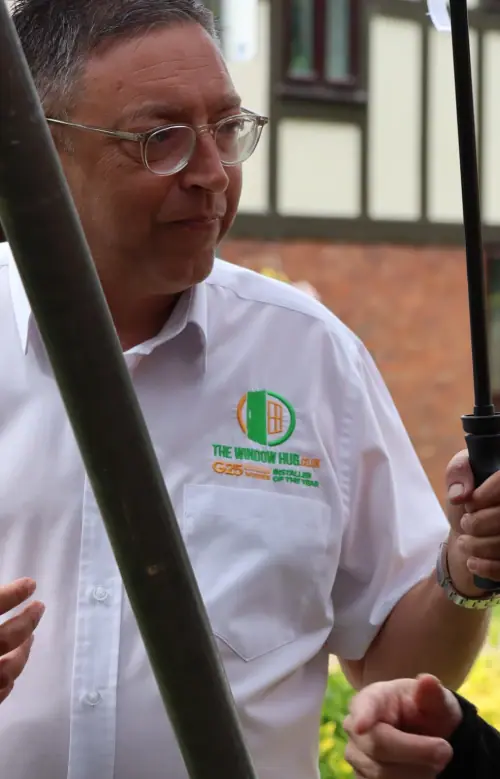
Picture: Boris Diakonov, co-founder and co-CEO at ANNA Money.
More To Read
MG Windows Takes To Decorio & Timberlook

REHAU Authorised Partners Get Great GGF Rates

On Account Of Success

Lower Insurance Premiums