

Don’t Let Safety Be A Pane In The Glass
Safety glass matters. It matters at specification, installation and certification And it matters equally on a single domestic job or on a 300-home housing development.
That is not just the view of GGF commercial company, RISA, it is a requirement of the Building Regulations.
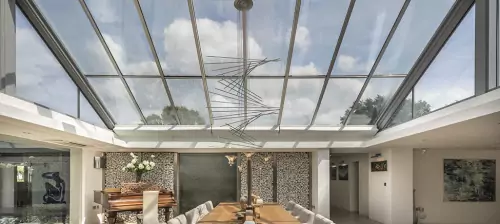
It is a requirement in certain locations. Low-level windows, glazed doors, side panels, screens and partitions in circulation routes all carry specific obligations under Approved Document K.
Remediation costs could run wild
“Get it wrong once, and the fix is fairly straightforward. Get it wrong at scale and the commercial consequences will be significant,” said Lee Galley, Inspection Manager at RISA. “When a specification error has been repeated across every plot on a development, you are no longer talking about a quick visit. This becomes a programme of works, potential Building Regulations non-compliance and costs that can run wild.
“The problem is that safety glazing failures are rarely obvious at first glance. Many modern glass products are not visibly marked, or their markings are obscured, removed, or simply absent.”
Safety Glazing Assessments
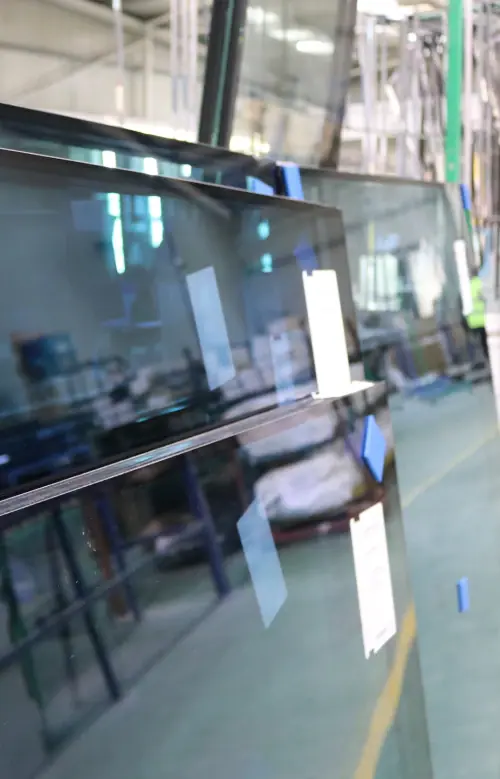
Toughened glass and laminated glass can look identical to standard float glass to the untrained eye. Without the right equipment or expertise, identifying what has been installed and whether it meets the required safety standards is not a straightforward process.
RISA’s Safety Glazing Assessments directly address this.
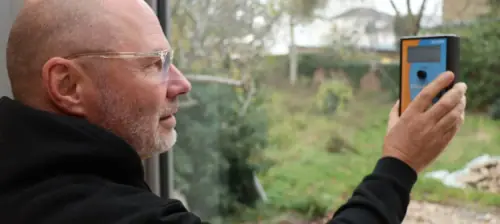
“Where markings are absent or unclear, we use specialist glass analysis equipment to help identify the type and make-up of the installed glazing,” Galley said. “This gives clients a technically informed assessment, not just a walkthrough.”
The findings are then set against the location, the building’s use and the relevant safety glazing standards to produce, if necessary, a clear schedule of any remedial works required and confirmation of existing compliance.
“For installers and developers, early assessment is significantly more cost-effective than reactive remediation,” said Galley.
“The earlier we are involved, the better the outcome tends to be. Once a building is occupied or a development is signed off, addressing glazing compliance becomes a far more complex and costly exercise. Independent verification at the right stage can prevent that entirely.
“Critically, RISA is independent.”
Inspect and report
Unlike a glazing contractor asked to both assess and carry out remedial works, RISA’s role is to inspect and report without any commercial interest in the findings.
That independence matters when recommendations need to be proportionate, defensible, and trusted by all parties.
“We will never recommend replacement where a reasonable and proportionate remedial solution exists,” Galley concluded. “Our job is to establish the facts and set out what is actually necessary.
“For installers working across residential, commercial, or multi-plot projects, knowing the glazing is right, and having the evidence to back it up, is more than good practice, it protects your business.”
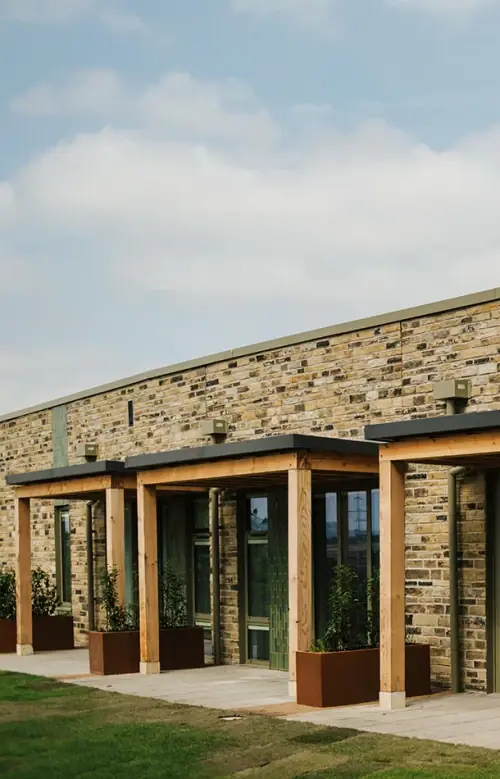
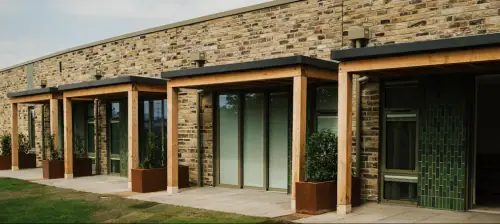
Picture: Safety glass is a requirement in certain locations. Low-level windows, glazed doors, side panels, screens and partitions in circulation routes all carry specific obligations under Approved Document K.
More To Read
Could An IGU Shortage Be On The Horizon?
Signed & Sealed Over 20 Years

The Princess & The Geothermal Boreholes