

Is It Really A Breathing Space Budget?
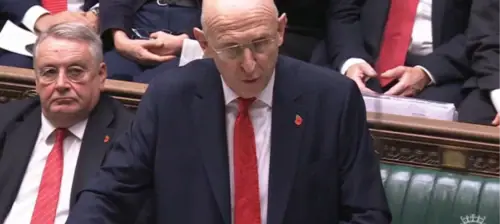
The Chancellor promised some breathing space for families and businesses in his Budget. Did he succeed? And did he do anything to improve things for the home improvement sector? Read on and decide for yourself.
This article covers energy bills, fuel duty, mileage allowances, apprenticeships and tax administration for all businesses including fabricators and installers.
John Healey’s first Budget has come amid a global economic storm that has pushed up costs for families and businesses. Some consumers can afford home improvements while others see it as a way of staying put and not moving. More though, can’t or won’t commit to big spending on their homes…although there is a tranche that think rising home heating bills could make loosening their purse strings become economic sense.
Disposable income
It is worth noting, that Chancellor Healey claimed that disposable income had risen last year and this and would continue to rise. However, Professor David Miles, a member of the Budget Responsibility Committee at the Office for Budget Responsibility debunked this by stating that in the seven years since just before Covid until now, there has been ‘no growth per person in real household disposable income’. Miles also said that the biggest cause has been energy prices and they will persist, so that real household disposable income will grow very little between now and at least 2029. He forecast the growth to be 1% at best.
Energy
Healey may not have got the backing of Miles, yet he did commit to ‘bringing energy bills down for good’. Renewables and nuclear are on the list of measures. New North Sea exploration beyond the Jackdaw gas field was not mentioned but it seems the Labour Party is moving in that direction.
The extension of a cut to VAT on electricity to July 2027, will take £50 off bills but those bills are likely to rise by more than £50; 20 million households will each get a £100 payment in January 2027. Standing charges will be abolished in 2027. None of these will help with disposable income. To pay for the handouts, the Corporation Tax Surcharge applied to banks will rise from 3% to 6% for 15 months from 1 January 2027 to 31 March 2028. That could affect lending to businesses and to home improvers.
The British Industrial Competitiveness Scheme will give 10,000 energy intensive manufacturing firms a 20-25% electricity discount, starting in April 2027, including a back payment for 2026-27. Certainly, glass producers will get this benefit which ultimately helps fabricators and installers.
Glass companies such as Pilkington UK are exploring using hydrogen plants. The government will not only scrap a tax on gas bills to pay for hydrogen projects, Chancellor Healey has indicated hydrogen is included in plans for a UK focus on cutting domestic bills and reindustrialising the country.
Fuel, cars, vans and lorries
The 5p fuel duty cut has been maintained and frozen. The Heavy Goods Vehicle road tax holiday has been extended to 1 July 2027. Fuel duty is as low as at any point in over 16 years and substantially lower in real terms.
The Chancellor plans to introduce 100% relief for eligible Electric Vehicle Charging Points
Workers who use their own vehicles will see a rise in tax-free mileage rates. In May, the government announced a temporary 55p per mile rate for the first 10,000 business miles for cars and vans. This has now been made permanent. This will mean around 2 million employees and 1 million self-employed people, including builders and window installers, will see £120 a year in additional tax savings if they drive 6,000 business miles. The mileage rate above 10,000 business miles rises from 25p to 35p, allowing someone driving 15,000 business miles a year to receive up to £300 in additional tax savings.
If a person uses their own vehicle as part of a job, the employer can reimburse them up to a specific amount without the payment being subject to income tax or National Insurance.
For a better explanation – Click Here
Social housing
Healey said: “The government will build more social and affordable homes by providing an additional £1.5 billion to deliver around 10,000 homes in England. This funding will be prioritised for Social Rent, especially council homes, taking total investment in the Social and Affordable Homes Programme to more than £40 billion over 10 years.”
The Chancellor also said he would assist more people find and keep a home by helping 70,000 households to get onto the housing ladder, confirming £4.7 billion for the new Your First Home equity-loan scheme for first-time-buyers and setting out its final details.
Council house building
Healey said: “Over the next 10 years, the government will start to deliver the largest council housebuilding programme since the post-war era and continue to drive up private sector housebuilding, helping more people benefit from a safe and secure home. Next steps will be set out in the 10-Year Plan, which will detail reforms to ensure that councils have the capacity to start building at scale again, significantly reduce the complexity and cost of the development process and release public land for affordable housing.
Brownfield first
Residential brownfield developments on sites up to 1.5 hectares in England are being exempted from Biodiversity Net Gain requirements, reducing costs and ensuring the government’s ‘brownfield-first’ ambitions directly support the delivery of more homes.
National Debt & Social Spending
With interest rates so high and likely to rise again due to the inflationary pressures of an energy crisis, we are already seeing major home builders abandon plans as they can’t sell the stock they already have. This could scupper the Your First Home equity-loan scheme. Council and social home building is, however, attractive to a home building sector in trouble. More homes need more windows and doors.
The government will increase debt interest payments on borrowing by a further £14 billion this year. Debt interest payments will run at circa £155 billion per year on borrowing of over £3 trillion (as estimated at September 2026).
If every individual household paid off its estimated £100,000 share of the national debt at £250 a month, it would be cleared in 34 years.
£155 billion spent a year (paid out of taxes) means each government has that much less to spend on economic measures including home building and home renovations, repair and maintenance.
According to This Is Money, after the Budget, the OBR updated its outlook to show welfare spending will to rise to £431.1 billion by 2030/31 due to rising health-related claims and higher benefit uprating costs. Conservative leader, Kemi Badenoch, was absolutely scathing in the Budget Debate, stating the Labour governments is addicted to welfare spending which is costing every other aspect of UK life too much in tax and too little in investment.
Hope for a generation
According to Healey, the government will support young people not in education, employment or training by delivering the Jobs Guarantee and investing £100 million in local apprenticeship services.
The Jobs Guarantee scheme provides fully funded, 6-month paid jobs at minimum wage to eligible young people aged 18 to 24 who have been claiming Universal Credit and looking for work for 18 months.
The government will require at least 3% of the workforces of all construction and infrastructure large government projects to be apprentices.
Minimum Wage
Minimum wage rates from April 2027 will increase by 3.9%. Workers aged 21 and over, will get £13.21 an hour (a 50p rise). The minimum wage for 18-20-year-olds will increase to £11.27 (a 42p rise) and the rates for 16-17-year-olds and apprentices will increase to £8.31 (a rise of 31p).
Cutting paperwork
Healey said: “The government is committed to cutting the administrative burden of regulation for business by 25% by the end of the Parliament. Achieving the target will save £5.6 billion per annum in administrative costs, freeing up 280 million working hours to spend on growth, innovation and job creation.”
Startups
Founders' Relief is a proposed (still subject to consultation) UK Capital Gains Tax relief announced in the Budget which applies a reduced 10% tax rate to qualifying share disposals up to a £10 million lifetime limit per individual.
The chancellor said: “I know starting a company means taking a risk, often leaving a secure job and building something there is no guarantee will work.
“I believe that when business founders take that risk, build an exceptional company, create wealth for Britain, we should recognise that success and keep those people here to invest again.”
The chancellor also announced a trading allowance, raising the amount people can earn from a new venture tax-free from £1,000 to £3,000.
A new young-entrepreneur’s allowance will cover a year of living costs for young founders ‘while they turn their ideas into businesses’, was also announced.
Collecting taxes
E-invoicing – The government will require VAT invoices to be issued in a specified electronic format from 1 April 2029.
Employment expenses reform – The government will remove the £2,500 Income Tax Self-Assessment expenses threshold from 6 April 2028. This will allow more taxpayers to claim tax relief on non-reimbursed employment expenses through PAYE and ensure more claims are subject to evidence before relief is issued.
More timely payment for self-assessment – The government will require Income Tax Self-Assessment taxpayers who make payments on account to make more regular in-year payments towards their final tax bill from April 2029.
Direct debit arrangements for VAT and PAYE return liabilities – The government will require taxpayers to set up a direct debit instruction for VAT and PAYE return liabilities from April 2029. Businesses will continue to be able to use other payment methods to pay their liability before a specified cut-off date. The direct debit instruction will be used to collect any unpaid balances.
Tax debt management – The government will introduce a new power enabling HMRC to recover lower value tax debts through regular instalments directly from the bank accounts of individuals and companies who can afford to pay but repeatedly fail to do so from July 2029.
Debt management capacity – The government will invest a further £70 million over the next five years in HMRC’s existing partnerships with private sector debt collection agencies to collect more tax debt.
Compliance staff – The government will recruit an additional 670 HMRC compliance officers, building on previous commitments to recruit 5,500 additional compliance officers, by 2029-30.
Making Tax Digital (MTD) for income tax – Taxpayers joining MTD for income tax in April 2027 will not receive penalty points for late submission of their first four quarterly updates for the tax year 2027-28. The government is also deferring the roll-out of Making Tax Digital for Income Tax to several taxpayer groups until further notice.
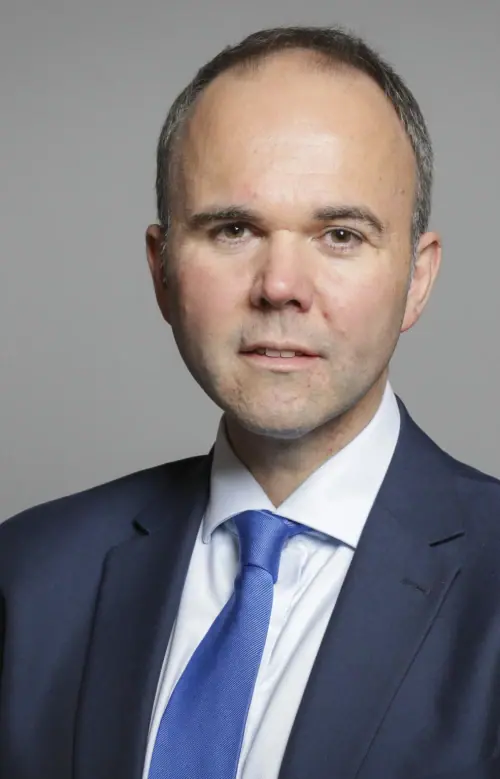
Picture with thanks to the House of Commons Library: The Chancellor of the Exchequer, John Healey.
Energy costs, housing investment, wages and business taxes…what does the Budget mean for glazing, construction and home improvements.
More To Read