

Will Brew Breaks Cause Breakdown?
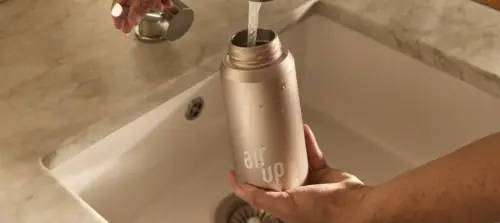
Tradies are the most hydration-challenged in the UK as the working day is built in a way that makes proper hydration easy to forget…and a brew is not the answer.
The national Heat-Health Alert season officially runs from 1 June to 30 September. We’ve already been through several heatwaves and more are likely before we hit autumn.
Summer puts extra pressure on a workforce already operating through long days, physical labour and tight schedules.
With the help of hydration specialist air up, we discuss how site life makes hydration harder than it should be.
Refill points
Part of the issue is practicality. On a relatively small home improvement job, the home owner will be present and likely to offer tea or coffee. They are not great for hydration. On larger sites, refill points are not always close to where the job is happening. Once work starts moving, few people want to come down a level, cross site or pause a task midway through just to top up a bottle. Tea and coffee already sit inside the rhythm of the day, so they often win by convenience rather than by what the body actually needs.
Can you fill my bottle
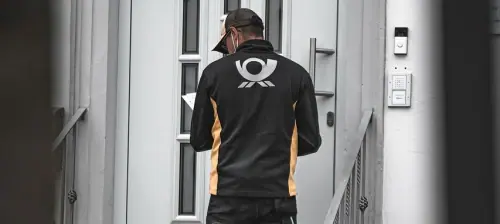
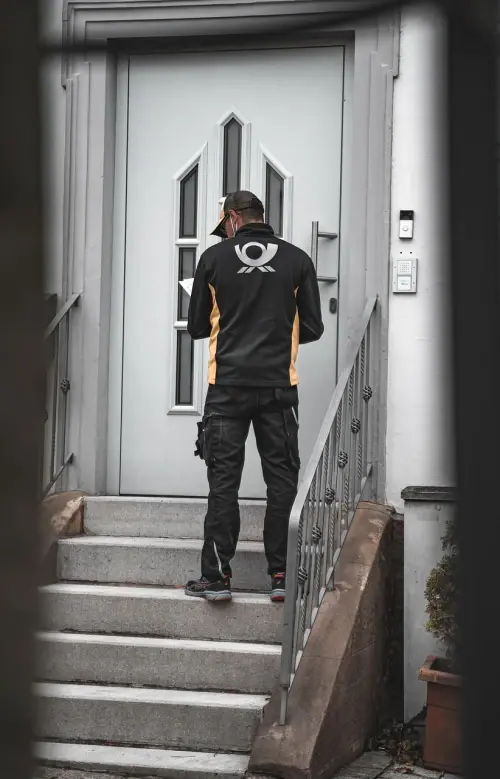
Away from the site, the same pattern shows up differently. Tradespeople working in occupied homes are unlikely to keep asking a customer to refill a bottle, walk in and out of the kitchen or make themselves too comfortable in somebody else’s space. Those driving between jobs or operating machinery face another version of the same problem: hydration can start to feel like an interruption.
On the road, on a ladder, in PPE or trying to finish a timed install, water is easy to delay until later, by which point fatigue has often crept in first.
No loo, low drink
There is also a less visible trade-off in the background. Some workers will consciously drink less when toilet access is inconvenient, too far from the job or awkward in a domestic setting. HSE guidance is clear that dehydration in very hot conditions can seriously affect health and safe functioning. Frequent cool water rather than tea, coffee or fizzy drinks are specifically advised. The HSE also warns against relying on thirst alone as a signal.
Caffeine not fixing
Seen through that lens, the sector’s reliance on caffeine becomes more interesting. More than a quarter of Brits, 28%, say they rely on caffeine to stay productive, while 45% consider tea, coffee or energy drinks to be a source of hydration (air up 2025 hydration research). In the trades, where the day often starts early and runs on momentum, those habits can become even more embedded. A brew is quick, familiar and always nearby. Water can feel like the thing you will sort out later.
Wellbeing
Trade wellbeing data suggests the wider backdrop is already demanding. Jewson’s Trade Trends 2025 found 40% of tradespeople find it hard to relax and unwind for their wellbeing, 29% say the job makes it hard to eat a healthy diet and 25% have missed healthcare appointments because taking time off is difficult.
It has been reported that 91% of tradespeople say they experienced work-related stress in the last year, with 56% facing it at least once a week.
Hydration sits squarely inside that broader picture; it is not simply a wellness add-on or a nice-to-have. It touches alertness, energy, concentration and how well someone gets through a long shift in heat, on the move or under pressure. Nausea, heavy sweating and headaches, all of which underline how quickly water intake can become a performance and safety issue once temperatures climb.
Picture: air up refillable water bottles are stylish but also have a practical hydration use on work sites when the weather warms up.
Hydration is often overlooked on busy work sites, but with installers working long hours in hot conditions, drinking enough water can have a direct impact on concentration, energy levels and safety.