

Written Safety Policies Are Not What Happens On Site

More than one in five contractors say written safety policies often or very often differ from what actually happens on site.
However, 90% of contractors rate overall health and safety standards in construction as excellent or good.
The findings come from the Veriforce CHAS’ Closing the Construction Compliance Gap report which surveyed 500 contractors working in construction aged 18 to 70.
The most commonly cited barriers to meeting safety requirements on site were a lack of on-site enforcement (26%), a lack of training and competence (25%) and poor on-site communication (24%).
Near-miss reporting presents a mixed picture
While 39% say near misses are reported more often than five years ago, almost a third (31%) say they are reported less often.
Ari Fatah, Technical Standards Manager, CHAS, said: “Where near misses go unreported, organisations can appear to have a positive safety record when the reality of onsite safety could be very different. On busy construction sites with moving vehicles, heavy equipment and multiple professions, reporting a near-miss can feel like reporting a non-incident. But failing to report them can allow unsafe practices to continue, effectively putting everyone onsite at risk.
"By encouraging a proactive safety culture, where there’s clear communication around health and safety and onsite enforcement, workers can feel confident raising near-miss and safety concerns. This means we’re able to identify areas for improvement and put controls in place before they lead to injuries or serious accidents.”
Competence evidence still lagging
Only 45% of contractors are typically required to provide evidence of competence, qualifications or training before starting work compared with 57% who must provide health and safety policies and procedures.
The research suggests expectations around competence are changing. 84% of contractors say the Building Safety Act 2022 and subsequent changes to Building Regulations have changed how their organisation demonstrates competence, with greater emphasis on providing evidence of skills, experience, qualifications or training.
Fatah added: “Anyone carrying out or managing building work must have the appropriate skills, knowledge, experience and behaviours for their role, while those appointing them must take reasonable steps to ensure they are competent. Failing to properly demonstrate and verify competence can create significant regulatory, operational and reputational risk.
“Independent verification and industry recognised certifications, such as Safety Schemes in Procurement (SSIP) and Common Assessment Standard (CAS), give a consistent baseline for assessing contractor competence and help drive higher standards across the industry.”
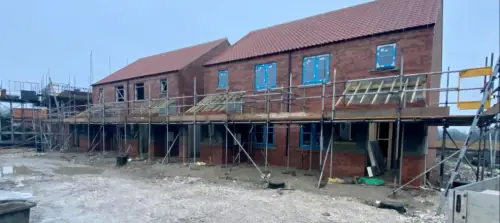
Picture: For more information on CHAS and to download the Closing the construction compliance gap, click the link below.
A new report says contractors think health and safety standards on site are good but only 45% are typically required proof training. Near-miss reporting is also very low.