

Budget 2026 – What People Have To Say
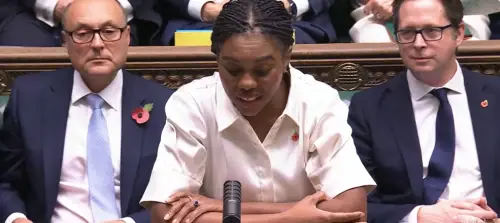
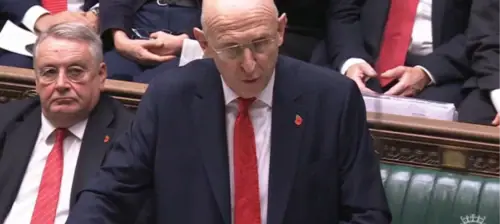
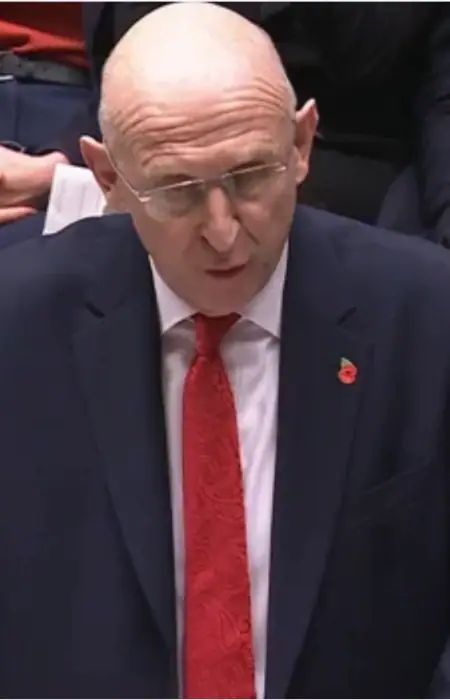
Sit back and watch as Shadow Prime Minister & Conservative leader, Kemi Badenoch rips Chancellor John Healey’s Budget to pieces and then read other party leaders’ opinions along with those from organisations such as the CBI or independents such as Velux.
Liberal Democrat Leader Ed Davey said: “After years of government chaos and failure, we can only end the brutal cost of living crisis and fix broken public services if we get the economy growing. We need a real growth plan with Europe at its heart. Labour must fix the Conservatives' botched Brexit deal by joining the single market and a customs union, using the £billions that it raises to cut people's taxes and cut people’s bills.
“Until the Government plucks up the courage to do that, any Budget will just tinker around the edges.”
Green Party
leader of the Parliamentary Green Party, Dr Ellie Chowns MP, said: You’d have thought that after going to the trouble of ousting the last PM, taking his job and installing a brand-new Chancellor, Andy Burnham would be keen to ensure Labour displayed a bit more ambition than it did under his predecessor.
“Unfortunately, what Britain actually saw today was a business-as-usual Budget which failed to engage with the real issues facing our country – choosing to tinker round the edges, rather than properly taxing extreme wealth and profits, making essentials genuinely and permanently affordable or investing in our long-term climate resilience.
Instead the Chancellor doubled down on fossil fuels, balancing the books on the assumption that climate-wrecking Rosebank oilfield will be approved.”
Reform UK
Reform UK Leader Nigel Farage tore into John Healey's ‘timid’ Budget as he warned Britain's perilous finances are on a knife-edge. He said: "We are in a deep financial hole. Britain is broke. Only a radical plan can begin to do anything about it. That's why we've set out spending cuts of £40bn in the first financial year of a Reform government, rising to £80bn over five years. Government spending has to be cut.
"By taking strong action, we can cut energy bills. Not just by £100 in the short-term, for certain council tax bands. But by £250, on average, permanently, in the first 100 days of being in power."
Farage added: "We will scrap income tax on overtime for anyone in full-time work earning less than £75,000-a-year. And by cutting spending, we can raise tax thresholds to £15,000, with the aim of raising them even higher - to £20,000 if we can - to make the gap between welfare and work much more significant.”
Confederation of British Industry
Rain Newton-Smith, CBI Chief Executive, said: “On the face of it, this Budget lacks the bold moves that would have made it easier for firms to invest, hire and grow.”
Newton-Smith did congratulate the Chancellor as he said: “At a time of exceptional geopolitical pressures, using some fiscal headroom to absorb genuine short-term shocks is preferable to loading additional permanent costs onto business and weakening investment.
“Slowing the convergence of youth rates with the National Living Wage is a sensible move in face of the NEETs crisis and current labour market pressures. But the Chancellor could have gone further. Reducing the cost of hiring by increasing the employer NICs threshold would have given firms more space to create entry-level jobs and boost employment.”
He added: “Households will be grateful for some relief on energy bills, yet there is nothing concrete to provide breathing space for the vast majority of businesses who are already dealing with energy bills a third higher than their European counterparts. With prices due to escalate further next year. Pledged future action to help business energy costs must be followed through in the government’s upcoming 10-year plan.”
VELUX
Ashley Dickson, Interim Managing Director, Great Britain and Ireland at VELUX, said: “Energy bills support is very welcome. With extreme weather not going away, there’s an opportunity to build on it with homes that work in every season. A holistic approach, with insulation, shading and ventilation working together, helps homes stay comfortable and healthy all year round. The recently announced Warm Homes Plan, with cooling and heating measures for the most vulnerable homes, is a positive step in that direction.
“Our research shows 44% of UK adults avoid ventilating their home in winter to save energy, while external shutters with efficient roof windows can cut peak indoor temperatures by up to 5°C. The UK doesn’t have to choose between a warm winter and a bearable summer. Building shading and ventilation into every upgrade, alongside insulation, is how we get there.”
VELUX is a leading global roof window manufacturer that focuses on shading and ventilation solutions that bring daylight and fresh air into homes.
Clive Holland of FIX Radio
With the OBR setting out a scheduled increase from July 2027, I can offer an op-ed from Clive Holland, lead broadcaster at Fix Radio, on what repeated temporary extensions mean for small trades businesses.
Holland said: The Budget’s fuel-duty relief is welcome, yet it is only fixed until July 202y. Firms quoting for work months ahead need clarity about the costs they will face when those jobs begin, particularly where a fixed quote leaves little room to absorb higher fuel bills. Travel between sites and trips to suppliers feed into job costs, leaving tradespeople weighing up whether to raise prices or accept tighter margins. We need a longer-term fuel-duty timetable that small employers can plan around.”
Institute of Directors
Jonathan Geldart, Director General of the IoD, said: “Business leaders will be relieved that the Chancellor’s Budget included no nasty surprises, having been conditioned in previous Budgets to expect the worst. We very much welcome the numerous measures intended to support British start-ups and scale-ups, such as the new Founders’ Relief, Young Entrepreneurs Allowance and EMI2 share incentives (as well as support for small brewers).
“But there is still some way to go for the Government to win back the trust of British businesses, who will be looking for measures and assurances in the upcoming Ten-Year Plan that restore long-term confidence in the UK economy enabling them to invest and grow.”
British Chambers of Commerce
Shevaun Haviland, Director General of the British Chambers of Commerce, said: “This was a ‘steady as you go’ budget, sending the right signals to business but lacking big calls that would really shift the economic dial. Most sectors will be pleased to have avoided any further taxes being piled upon them. But overall, most businesses won’t notice this budget at all.
“It is clear he has heard business calls for action to ease the costs pressures they are facing but was constrained by a tight fiscal and difficult international environment.
“There were several positive steps outlined, including Founders Relief and significant reductions or the complete removal of business rates for many in the retail, hospitality and leisure.
“Increased finance through the National Wealth Fund and British Business Bank will also offer new opportunities for entrepreneurs to start and scale up.
“On the other side of the ledger, measures including the announcement of a higher bank surcharge and limited new help on businesses’ energy bills are less welcome.
“It was disappointing that there was nothing in this budget to help businesses with energy costs outside of the British Industrial Competitiveness Scheme. More than half of firms tell us that energy costs are squeezing them to raise prices. With operating margins already razor-thin, more of that pressure is likely to find its way through to higher prices for customers.”
TaxPayers’ Alliance
John O’Connell, chief executive of the TaxPayers' Alliance, said: “The chancellor has driven the tax burden to another record high to pay for gimmicks and giveaways while sidestepping the ticking fiscal time bomb of runaway benefits spending.
“Deciding to target savings and productive investment means even more punishment for people doing the right thing. It is a drag on much-needed growth, while the fiddly measures designed to cut everyday bills gloss over the fact that tax is the biggest cost of living.
“Politicians must shake their spending addiction, get a grip on welfare and give hard-working Brits real breathing space by cutting their taxes.”
Mayor of London
Sadiq Khan said: “Today’s Budget is a really positive and significant day for London. At its heart is a new devolution revolution.
“By giving London the ability to keep more of the money we raise, we can invest billions of pounds more in our future, helping to finally unlock transformational infrastructure projects such as the West London Orbital, the Bakerloo Line Extension and the Euston knowledge quarter project, supporting tens of thousands of new homes, jobs and economic growth.”
Living Wage Foundation
Living Wage Foundation Co-Director, Emily Sawh said: "The increase in the legal minimum wage will be welcome news for the millions of workers facing continued pressure on household finances. But even with this rise, many workers will continue to struggle to meet everyday costs. As household budgets remain stretched, it's more important than ever that work pays. That's why nearly 17,000 employers have voluntarily committed to paying the real Living Wage, ensuring their staff earn a wage that reflects the real cost of living and what people need to get by. The real Living Wage remains the only UK wage rate independently calculated and rooted in the cost of living."
COHO
Vann Vogstad, CEO of COHO, a UK shared living marketplace platform supporting more than 6,000 HMOs and 55,000 tenants across the UK, said: “We need to look at affordability properly, rather than assuming that helping people borrow more is the same as making homes cheaper. Support for first-time buyers needs to go hand in hand with policies that encourage housebuilding and make it financially viable to invest in property.
“We need to be realistic about what the Your First Home Scheme can achieve. The government’s announcement of £4.7bn in government-backed lending, allowing eligible first-time buyers to purchase a new-build home with a 2.5% deposit and a 20% equity loan, could help more people take their first step onto the property ladder. But getting people through the door is only part of the challenge. Giving people access to more money or making it easier to secure a mortgage doesn't necessarily make housing more affordable in the long term. If buyers have greater purchasing power but the supply of homes doesn't keep pace with demand, there is a risk that prices rise as a result.
“That's particularly important at the more affordable end of the market. The scheme is specifically aimed at new-build properties, so its success will depend in part on whether enough homes are being built to meet demand. Helping people buy is a positive step, but we also need to ensure there are enough homes available at prices people can realistically afford.”
National House Building Council
Paul Turner, Chief Executive Officer, National House Building Council (NHBC), said: “We welcome the inclusion of several measures announced in the Budget.
“The introduction of the Your First Home equity loan scheme is a positive step towards helping more people onto the housing ladder. Supporting first-time buyers is essential to stimulating demand and giving house builders the confidence to invest in new developments.
“We also welcome the commitment to avoid major changes to building regulations during this Parliament. Greater regulatory stability will give house builders much-needed certainty, allowing them to plan ahead, invest with confidence and focus on delivering high-quality homes.
“News that government has added £1.5bn to the Social and Affordable Homes Programme in the Budget is great news for the sector, given how oversubscribed the first round of bidding was earlier in the year. The wider industry is stretched, with demand for affordable housing at record levels and NHBC’s Q3 registration figures showing the pipeline of new homes continues to shrink. With new home registrations down 13% year on year, this kind of intervention is essential.
“The removal of biodiversity net gain requirements for brownfield sites is another welcome measure that could help unlock development on land that has previously been difficult to bring forward, supporting regeneration and the delivery of much-needed new homes.
“However, while these measures are encouraging, there is still a significant challenge ahead. Delivering more quality homes requires not only the right policy environment but also a skilled workforce capable of building them to the highest standards. We must skill up if we want to build up. Continued investment in construction skills and apprenticeships will be critical if we are to increase housing supply without compromising quality.”
Federation of Master Builders
Brian Berry, Chief Executive of the FMB, said: “The government must ensure that the rise in the National Minimum Wage does not make it harder for small building firms to recruit, train and retain the people needed to deliver the homes the country needs. Fair pay must be matched by practical measures that help smaller employers absorb rising labour costs.
“It was a budget of many small measures. It’s uncertain whether they will add up to drive a bigger change in the construction industry.
“The ‘Your First Home’ scheme to help first time buyers could strengthen demand for new homes but has a minor impact on smaller house builders. If the government wants more regional growth, it must ensure local SME house builders can share in the opportunities created by any increase in housing demand.
“Extending the fuel duty freeze will offer some stability to builders. However, this Budget appears to miss important opportunities to cut VAT on energy-efficiency improvements and give small builders the confidence to invest in green skills and apprenticeships.”
TV Edwards Solicitors
Juanita Francis, Head of Property at TV Edwards Solicitors, said: “While the Your First Home scheme and the First time Buyer ISA, replacing the Lifetime ISA, was welcome news in helping first-time buyers get onto the property ladder, it was disappointing that the government didn’t look beyond first-time buyers or new homes. Not every first-time buyer wants a new property, which can be costly. We need reform that also makes it easier for existing homeowners to move up or down the property ladder.
“If the Government wants to encourage movement in the housing market, reducing the financial barriers to moving, such as Stamp Duty, would have been a good place to start. In London, someone buying a £600,000 home could face a £20,000 Stamp Duty bill before they’ve even paid their solicitor, surveyor or removal costs. It can make the difference between someone being able to move and deciding that the costs are simply too high.”
Bidwells
Scott Cabot, head of residential research at Bidwells, said: “Your First Home is a welcome policy, as anything that helps first-time buyers onto the ladder and keeps new-build sales moving is a step forward. But it is unlikely to repeat the success of Help to Buy. The original scheme launched into a recovering market with rock-bottom interest rates and far lower build costs. Today the main constraint is viability.
“It is disappointing that the policy does not come into effect until spring, which means we can expect another six months of first-time buyers holding off on buying new homes…and therefore more pain for housebuilders, especially smaller developers."
Uswitch
Richard Neudegg, the director of regulation at Uswitch.com, said: “Paying a daily gas standing charge can grate for households that use very little gas and can feel illogical over the summer or when homes have the heating off.
“Households that use less gas, such as those living in smaller homes, should benefit when this comes in. It will also give relief to those who have switched to electric heating but kept a gas connection and find themselves paying a standing charge for a service they don’t use for heating.
“But these costs won’t disappear. They’ll move into the price of each unit of gas, meaning that those using a lot of gas could be worse off.”
Domna
Anna Moore, the chief executive of retrofit consultancy Domna, said: "Scrapping gas standing charges will be welcome news for many households. But these costs are not disappearing. They will end up being shifted onto the price of gas, which means people living in cold, leaky homes could end up paying more simply because their homes need more energy to stay warm.
“This is why the government must not just tackle the symptom, but the cause of high heating bills…our ageing, underinvested homes. We cannot keep shifting charges around while heat escapes through the country's poorly insulated roofs, walls, and windows.
“The Warm Homes Plan is welcome but to go even further, removing VAT on the full range of retrofit works would make it cheaper for households and housing providers to invest in warmer, more efficient homes."
Picture with thanks to the Conservative Press Office: hadow PM Kemi Badenoch.
Political leaders, business organisations and construction industry representatives deliver their verdicts on Budget 2026, raising questions about energy costs, housing affordability, business confidence and support for the home improvement sector.