

Death By Accident More Likely Up North

RoSPA’s Annual Review of Accidents has exposed stark inequalities in accidental death rates across the UK, explains the report author Matilda Smith.
She writes: When we think about accidents, we often see them as random, unfortunate events; moments of bad luck that could happen to anyone. Yet the latest findings from RoSPA shows 23,000 people now die every year because of an accident and about another 900,000 people are admitted to hospital due to accident-related harm.
That’s equal to the entire population of Devon passing through our healthcare system every year because of entirely preventable injuries.
The rate of accidental deaths has increased by a shocking 8% in a single year, with falls and accidental poisonings fuelling this rise. At the heart of this issue is something often overlooked when discussing accidents – inequality.
Divided nation
Put simply, where you live and the circumstances you live in, have a huge impact on your likelihood of being seriously injured or killed in an accident.
Our analysis shows that people living in the most deprived areas face significantly higher risks of accidental death than those in the least deprived. In England, areas with the highest levels of deprivation have 87% higher fatal accident rates than the least deprived areas.
This is not a marginal difference. It is a fundamental divide in our society.
Northern exposure
Across the UK, the pattern is clear. Scotland and Wales have significantly higher rates of accidental deaths than England. There is also a strong regional split within England itself. The North-East and North-West experience the highest rates of fatal accidents, while London consistently records the lowest.
This means that a person living in parts of the North-East, Wales or Scotland is more than twice as likely to die in an accident than someone living in London.
Higher deprivation, higher risk
This inequality reflects deeper structural inequalities that shape people’s environments, opportunities and exposure to risk.
People living in more deprived areas are more likely to live in housing with greater safety risks, such as poor maintenance or hazards that increase the likelihood of falls. They are more likely to be exposed to unsafe products or environments, both in the home and in the community. They have less access to preventative measures, safety equipment and information. And they experience wider health inequalities, which can increase their risk of injury.
Most accident in the home
The home is still where most accidents occur. Falls, the leading cause of accidental death are closely linked to housing quality, age and health. Older people in deprived areas may face a combination of higher exposure to hazards and fewer ways to mitigate them.
Vicious cycle
Accidents place a substantial and growing burden on public services, particularly the NHS and emergency services. Higher rates of injury in more deprived areas contribute to increased demand, longer recovery times and greater pressure on already stretched systems.
There are also wider economic consequences. Accidents can lead to lost productivity, long-term health conditions and increased reliance on public support. All of these reinforce existing inequalities and create a vicious spiral trapping people in an unfair system.
Accidents, therefore, do not just reflect inequality, they can deepen it.
National Accident Prevention Strategy
These findings underline the need for a more coordinated and strategic approach to accident prevention.
At present, efforts to reduce accidents are often fragmented across different sectors, from housing and transport to health and workplace safety. While important work is being done, there is no single, overarching framework to bring these efforts together.
RoSPA has long called for the introduction of a National Accident Prevention Strategy (NAPS). This is a coordinated approach that would:
- Focus on the groups and communities most at risk .
- Address the environmental and structural causes of accidents.
- Improve data collection and understanding of risk.
- Embed safety into the design of homes, products and public spaces.
Critically, such a strategy must place inequality at its heart. Reducing accidental harm cannot be achieved without addressing the conditions that make some people more vulnerable than others.
Perhaps the most important message from this analysis is that these outcomes are not inevitable.
No one should be more likely to die in an accident because of where they live, the home they live in or the circumstances they face. Reducing accidental harm is not just about preventing injuries, it is about building fairer, healthier and more resilient communities.
In a fair society, your postcode should never determine your chances of survival.
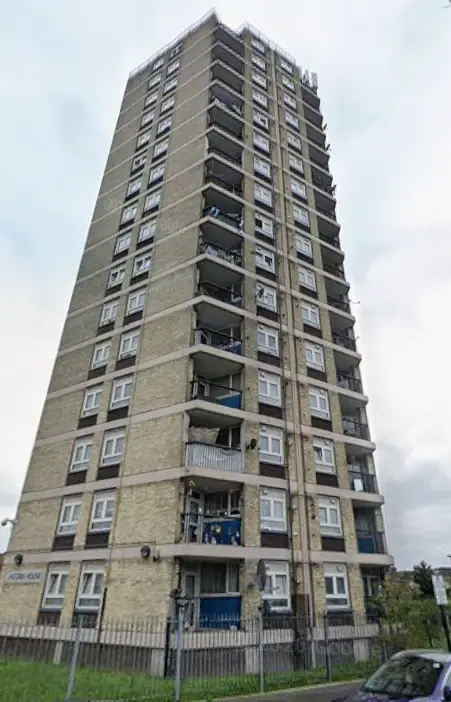
Picture: People living on Northern streets are more likely to die in a workplace or at-home accident.
More To Read
Too Many Unsatisfactory Fire Safety Inspections

Rising Star & Unsung Hero Plus Two More G26 Nominations

Order of Distinction – Deceuninck Takes 15th RoSPA Award

Power To The People