

Brickies And Mortarboards – Hardhats To Have Equal Value
Labour Prime Minister, Andy Burnham, has declared: ‘Britain will value the hard hat as much as the graduation cap’, as he looks to give 14-year-olds early access to technical education.
Along with skills training, teenagers will be given work experience and connections with employers.
At a launch event on 28 July, the new PM said: “Whether students choose construction, coding or classics, they’ll get the skills they need and be given the respect they deserve.
“Schools, colleges, mayors, local leaders and employers will work together to create clear routes into good, skilled jobs in their area.”
Lost generation
Ofsted is to change the way it measures and inspects schools, ensuring it recognises the quality of technical education and the support aimed at preparing young people for work
The changes follow Alan Milburn’s warning that Britain risks leaving behind a lost generation with over one million young people now not in education, employment or training.
No dead ends
The Prime Minister says he is determined to put technical education on an equal footing with the traditional academic path and to ensure there are ‘no dead ends’ for young people coming out of the education system. This means providing high-quality technical education routes that are valued and respected by students, parents and employers.
From age 14 (Year 10), students will have the chance to combine core academic subjects, including English, maths and science, with a technical education that is linked to the jobs available in their area. They will be able to spend time with employers and gain real-world experience.
Northern exposure
Other cities, councils and mayors will be exposed to the successful local initiative that is the MBacc in Greater Manchester which is set up to show new technical routes will mean young people can develop the technical knowledge and skills needed to progress in areas such as engineering, manufacturing, logistics and construction, skilling them up with the specific knowledge and capabilities that local employers need.
Regional mayors, local leaders, schools, colleges and employers will work together to shape the new technical education pathways, which can be tailored around local industries and growth sectors. Rather than relying on a one-size-fits-all system designed in Whitehall, the approach will allow areas to shape education around the industries that matter and are growing in their communities.
The government will now work together with mayors, local leaders, schools, colleges and employers to develop the new technical education pathways ahead of an ambition to begin rolling them out from September 2028.
Show me the money
The Department for Education will use its existing budgets to support delivery.
This work will build on the existing £570 million investment to create additional college places across the country, alongside the wider Department for Education settlement agreed at the 2025 Spending Review, which increased schools funding by £4.7 billion by 2028-29.
Burnham says his government will continue its ambition to deliver 50,000 more youth apprenticeships, to reverse a 40 per cent decline over the past decade. It will also support the Youth Guarantee, which provides incentives for employers to hire young people.
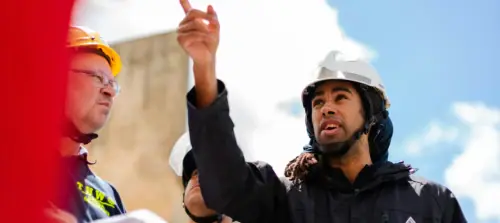
Picture: The government wants more young people to choose careers in construction through new technical education pathways from age 14. Image Credit: Unsplash
The Prime Minister wants to transform technical education by giving 14-year-olds earlier access to construction and trade careers, but much of the promised funding will come from existing education budgets.