

Eyes Down For July Tax Payments

HMRC has confirmed that anyone paying self-assessed tax should make their second payment on account by Friday this week, 31 July.
Given HMRC is a massive handler of digital receipts, its systems often fail to keep up and thus even faster payments made on Friday may not hit their account – this can cause HMRC to issue a fine for late payment even though it is their system that is under-performing.
Anybody paying their second payment on account between now and Friday, should check their online HMRC account to make sure they have not been unfairly fined. Those fines subsequently grow as interest is added.
Paid up in advance
A mid-year payment on account should mean that come 31 January or before, when tax for the year April to April 2025/26 becomes due, it should be covered by what has paid in advance. Of course, if you have earned more than you did in the previous year, you’ll have to top your tax up and if you earned less, you will be due a tax rebate.
And remember, on or before 31 January 2027, you’ll have to make another payment on account and another balancing payment by 31 July 2027.
Payments on account
As mentioned above, payments on account are payments towards your next tax bill, however, it should be noted that they include Class 4 National Insurance if you’re self-employed. (Some PAYE employees still have to file a tax return and make payments on account as they earn money from other sources. Usually, if you earn £1,000 or less from ‘extra’ work, the tax can be pain in one installment in January.)
Payments on account help spread the cost of your tax by making payments in 2 instalments. Each payment is half of the tax you owed last year. This it the theory: As you paid on account the year before and you deduct this from your final tax bill in January, your balancing payment in July could be higher.
And remember, if you have a student loan and are self-employed and meet the threshold, instalments also become due in both January and July.
How payments on account are calculated
Payments on account are calculated based on your estimated earnings which is based on the amount you earned the previous year.
If you did not make payments on account last year:
If you did not make any payments on account last year (for example, as it’s your first time filing Self-Assessment) you’ll need to pay both the full amount of your tax calculation and your first payment on account towards your next bill. Example: Your bill for the 2025 to 2026 tax year is £3,000. The total tax to pay by midnight on 31 January 2027 would be £4,500…£3,000 tax and £1,500 on account (followed by £1,500 by the end of July).
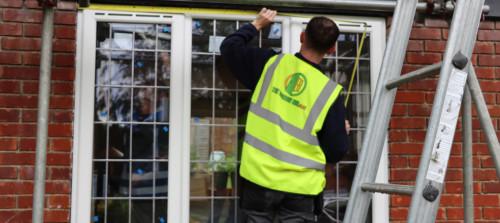
Picture: It’s time to pay your July self-assessment tax balancing payment.
HMRC has reminded Self Assessment taxpayers to make their second payment on account by 31 July, while warning that anyone paying close to the deadline should check their online account to ensure the payment has been processed correctly.
More To Read