

Tech Spec To Fill Skills Gap – Leaders Speak
The Department for Education want 14-year-olds given the option of technical qualifications and apprenticeships to fil the skills gap. What do our leaders say?
Prime Minister Andy Burnham said: “For too long in this country, students have been told that you must take the academic path to do well and to be respected. The whole school system has been built around it and that has let down young people seeking technical qualifications.
“I want an education system based on parity between academic and technical which gives all young people a clear path in life. From now on, Britain will value the hard hat every bit as much as the graduation cap.
“In a fundamental change to the education system, we will introduce new technical education pathways from 14 prestigious routes that will give students the chance to combine the core academic subjects with the skills, technical knowledge and experience they need to get quality, well-paid jobs where they live. My message to young people is this – whether you choose construction, coding or classics or maths, manufacturing or mechanics, you’ll get the skills you need and be given the respect you deserve.
“Fixing the youth unemployment crisis in Britain will require a major shake-up in how we do things. I want to ensure that our education system leaves no dead ends for our young people.”
Lost generation
Alan Milburn’s interim report warned that Britain is at risk of a lost generation, with over a million 16 to 24-year-olds now not in education, employment or training. His findings painted a stark picture of a system that too often leaves young people leaving school without the skills, experience or connections they need to step into the world of work.
Many young people are struggling to make the transition into employment, with growing evidence that qualifications alone are no longer enough to secure a good job. If a young person loses contact with work at the start of their adult life, the consequences can last for decades with lower earnings, fewer opportunities, worse health and a greater risk of long-term dependence on the state.
The Prime Minister believes the best way to bring down the welfare bill is to stop people becoming disconnected from work in the first place, which is why the government is intervening earlier to strengthen links between schools and employers and to create clear routes into employment.
Education Secretary Lucy Powell said:
“Every young person should be able to see a route to success, whatever their talents or ambitions. That’s why what we are doing is so important. It marks the start of a real shared effort with employers, businesses, mayors and councils to design an education system that connects young people to jobs and careers in their local area.
“By offering high-quality technical and vocational education alongside academic achievement, we’ll give more young people the chance to leave education with the skills, confidence and opportunities they need to thrive in today’s economy and the careers of the future.
“The technological revolution we are living through should mean young people become the fresh lifeblood our economy needs to adapt and grow. I want to make sure this generation is able to seize that opportunity, whatever their background or postcode.”
Alan Milburn, who was a teenage tearaway with poor qualifications, rose to be a (former) Labour cabinet minister, and an author of a report on youth unemployment said:
“A million young people are being failed by a system that isn’t creating the opportunities for them to progress in life. The world of work is changing and the education system isn’t keeping up.
“The changes the PM is pushing forward are very welcome. They are a big step in the right direction and consistent with the findings of my review. A whole system reset is needed across health, welfare and labour market policy as well as in education and skills. I know the PM recognises this and my final report will outline the further changes that are needed.”
Jambu Palaniappan CEO of Checkatrade said:
“This is a very welcome step. Checkatrade’s recent Backing Britain’s Tradespeople report shows nearly half of young people are now considering a career in the trades, with apprenticeships more appealing to under-25s than a university degree.
“That makes sense. As AI reshapes the office jobs market, a trade is one of the most secure bets a young person can make: you earn from day one, you gain a skill nobody can automate and in most trades there’s a job waiting for you the moment you qualify. The appetite to embrace trade careers is there. Giving 14-year-olds earlier access to technical education and real employer contact is exactly how we close the gap between ambition and opportunity.
“We’re partnering with technical colleges to give learners a leg up in starting a business. We’d be ready to work with schools, colleges and employers to build the ambitious routes this plan calls for.”
Michelle Ovens CBE, CEO, Small Business Britain said:
“Small businesses are the heart of communities and are at the front line of working with schools and young people to create routes into work. Often supporting those furthest from the labour market, small business are and will be at the centre of this national effort, building on their strong local networks and driven by a personal investment in the success of their local economies. This is why we at Small Business Britain welcome this programme. This is a great step towards preparing young people for the future, which needs to include business skills and entrepreneurship as core to the changing world of work.”
Neil Davy, CEO, Family Business UK said:
“Family businesses have always invested in the next generation. Across the UK, family-owned firms provide entry-level jobs, apprenticeships, training and long-term career opportunities for young people, rooted in the communities they serve.
“Family businesses can make significant commitments on recruitment, training and investment and we look forward to working in partnership with government to address the barriers that are stopping family firms from doing so.
“If the Government gives family firms renewed confidence to invest for the long term, they will help deliver the jobs, skills and opportunities the next generation needs.”
Stephen Phipson CBE, CEO at Make UK said:
“Manufacturers know that the future of our economy will be shaped by the talent we inspire today. If the UK is to realise the Prime Minister’s ambition of reindustrialisation, we must give young people earlier and greater access to high-quality technical education. Expanding pathways into subjects such as engineering from the age of 14 will help unlock potential, widen opportunity and equip the next generation with the skills needed to drive innovation, growth and prosperity. The UTC programme is the ideal model for achieving this.
“Manufacturers are passionate about opening young people’s eyes to the exciting careers our sector offers. From designing the technologies of tomorrow to building the products that power everyday life, manufacturing provides rewarding, secure and highly skilled opportunities. We look forward to working with the Government to turn this vision into reality, building on the success of initiatives such as National Manufacturing Day to forge stronger links between education and industry, bridge the gap between classroom and career, and inspire the talent that will shape Britain’s industrial future.”
Mayor of London, Sadiq Khan, said:
“For too long, young people leaving school, college or university have faced real uncertainty about what awaits them. They’re not short of talent or ambition, yet the roles they need to kickstart their careers and build their futures appeared to have dried up. Meanwhile, rapid advances in AI are changing the world of work altogether.
“That’s why I welcome these new plans to tackle the root causes of youth unemployment. This is fully aligned with the work we’re already doing in London, including £18 million of new funding from City Hall, to help thousands more young Londoners into work and training and to prepare them for the jobs of tomorrow.
“Our ambition is to build a future where every young person has the chance to follow their dreams and fulfil their potential.”
Tracy Brabin, Mayor of West Yorkshire, said:
“Here in West Yorkshire, devolution has emboldened us to make a simple promise to our young people that no one will leave education without having first set foot in a workplace. Now, these bold measures will empower us to go even further. By putting technical and academic education on an equal footing, we can help ensure that more of our young people leave school with the skills they need to succeed in life and work.”
TUC General Secretary Paul Nowak said:
“Andy Burnham is absolutely right to launch a national effort to tackle the crisis number of young people out of work, education and training. The place-based approach the new PM has set out is welcome and unions can play a key role in ensuring it is a success. Putting technical education on an equal footing with academia brings us closer to the international standard for skills.
“And a qualifications framework that gives all young people opportunities to develop the skills and experience they need to move into a good first job with decent prospects is the right move. It’s vital this is met with adequate funding for both FE and schools to ensure meaningful careers guidance and relevant technical routes for young people.”
Aaron Asadi, CEO, Enterprise Nation said:
“The first rung on the ladder into work has disappeared for too many young people. Giving 14-year-olds real contact with employers and practical routes into skilled work is the right intervention at the right age – and small businesses, in every postcode, are where many will find that first opportunity… and where some will discover they can build their own. Enterprise Nation’s community of 240,000 small businesses is ready to play its full part in this national effort.”
Dom Hallas, Executive Director, Startup Coalition said:
“As tech and AI are transforming our economy and workplaces, anything that gets young people closer to the action as soon as they can, will make a huge difference to both their prospects going forward and the talent our startups can access to grow.”
Irene Graham OBE CEO of ScaleUp Institute said:
“Careers pathways for young people align with the long-evidenced needs of scaling firms across the country who want to see more ’ready to work’ skills relevant to their industry and business, alongside greater flexibility in work placements, and apprenticeships. Access to skilled talent is a proven driver of local scaleup growth. The plans, backed by the intended change in measurement parameters, should help ensure that critical skills for local growth sectors and clusters are more readily accessible.”
Peter Holbrook CBE, Group CEO, Social Entreprise UK said:
“This is a welcome and critically important announcement. Today’s young people face greater uncertainty and more complex challenges than perhaps any previous generation. The UK’s future success demands us to ensure that every young person can achieve their greatest potential. This commitment will provide young people with the skills and support needed to either start a fulfilling career or equipped as entrepreneurs, to start a business. This is the right thing to do.”
Rain Newton-Smith, CBI Chief Executive, said:
“There is an economic and moral imperative to tackle youth unemployment. Every young person out of work is unfulfilled potential, and economic growth is key to creating the opportunities they are looking for.
“Businesses need skills. Young people need opportunity. But right now, the system is not joining those two things up. We are asking young people to enter a labour market being reshaped at speed – and too many are not equipped to navigate it.
“Our members are ready to partner with the government and regional leaders to remove barriers to hiring and build pathways for young people into fulfilling work. Getting more people into work remains the most powerful route to higher living standards.”
Kate Shoesmith, Director of Policy at the British Chambers of Commerce said:
“Through our work on Local Skills Improvement Plans, we have seen the positive changes possible when all parts of the system work well together – employers, educators and local authorities. This announcement is another step in the right direction and is essential when 75% of firms trying to recruit tell us they have difficulty finding the people they need.
“For a long time now, we’ve argued that this is exactly the type of business-government partnership required. Together we can guide young people successfully into work and support the growth our economy desperately needs.”
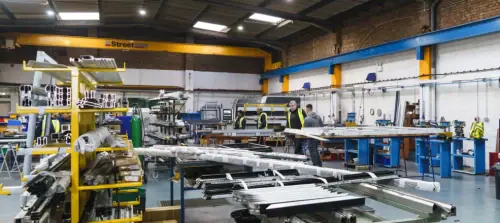
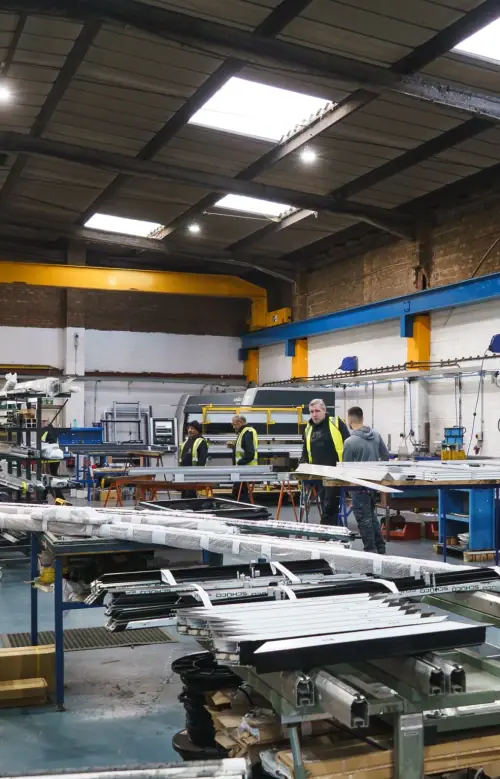
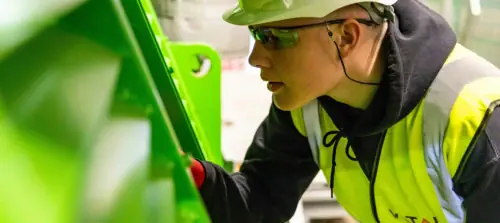
Picture: Business leaders from construction, manufacturing and education have welcomed plans to give 14-year-olds earlier access to technical qualifications and apprenticeships. Image Credit: Unsplash
Industry leaders have welcomed the Prime Minister's plans to introduce technical education pathways from the age of 14, saying the reforms could help tackle skills shortages and strengthen the future construction workforce.