

New Trafford, New Homes
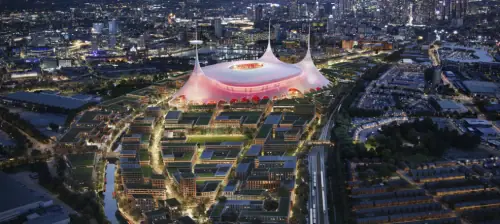
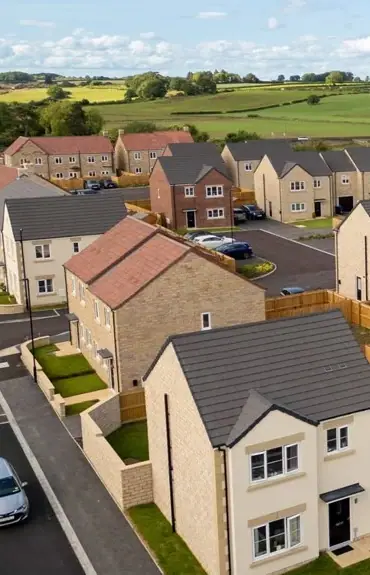
Manchester United has secured most of the land needed for a new 100,000-seater stadium and 15,000 new homes, including affordable housing.
The £2 billion, 370-acre regeneration project is expected to deliver around 48,000 new jobs locally and over 90,000 nationally and add a whopping £7 billion a year to the UK economy.
This marks a major milestone in the long-term vision to transform the Old Trafford area.
Catalyst for regeneration
According to a Manchester United statement, ‘the new stadium, which will become the biggest sporting arena in the UK, will serve as a catalyst for the regeneration of the surrounding district, helping to create one of the most dynamic and globally significant sporting and entertainment destinations in the world’.
Noisey neighbours
The club acquired a 25-acre site, located approximately 350m north-west of the current stadium, from Indurent, a provider of industrial space and a Blackstone portfolio company. United will engage directly with businesses the plans will have an impact on to support them through the transition period.
There are some smaller plots of land that need to be acquired and leaseholders persuaded to move out.
When Tottenham Hotspur built its new stadium more or less on the site of its old stadium, at least one neighbour made a lot of noise abut refusing to move and asking for more money to do so. The issue was finally resolved when the premises of the business concerned burnt to the ground in a mysterious and unsolved fire.
CEO, Manchester United’s New Stadium Development, Collette Roche, said: “We are committed to building a world-class stadium with our supporters, not just for them, with atmosphere, affordability and accessibility at the heart of our thinking.
“The club has also worked in close collaboration with Trafford Council and the Old Trafford Regeneration Mayoral Development Corporation (OTRMDC) to ensure the location of the new stadium works cohesively with the wider Old Trafford regeneration strategy, ensuring optimum connectivity and the best possible experience for fans.
“This move forward highlights the progress we’re making towards a world-class new home for Manchester United and represents a significant milestone as we move into the next phase of development.
New Trafford
Whilst the stadium and housing, along with retail and public realm, are being developed, the team will still be able to play in its ancestral home, Old Trafford, a stone’s throw from what is currently known as New Trafford. The name may not stick as most clubs attempt to sell the naming rights to a stadium in a sponsorship deal.
Roche added: “Being able to build so close to Old Trafford allows us to preserve the heritage, traditions and rituals that are so important to our fans. We are committed to building a world-class stadium with our supporters, not just for them, with atmosphere, affordability and accessibility at the heart of our thinking.
“This is a generational opportunity that is fully aligned with both local and national growth ambitions. It gives us the stage to deliver a truly world-class stadium and homes and amenities for local residents.”
Once shovels are in the ground, it is anticipated it will take five years for the stadium to be built. A masterplan which includes upgrades to transportation is scheduled to be released on 9 July.
Picture: Manchester United have bought a 25-acre plot of land immediately behind the famous Stretford End, so they can build a 100,000-seater football stadium which will make it the largest in the UK, beating Wembley by 20,000 seats. The current circus tent design with the roof held up by three huge pillars, is by Foster + Partners. The roof will add sustainability as it will capture rainwater and solar energy. Housing is also planned as part of the development.